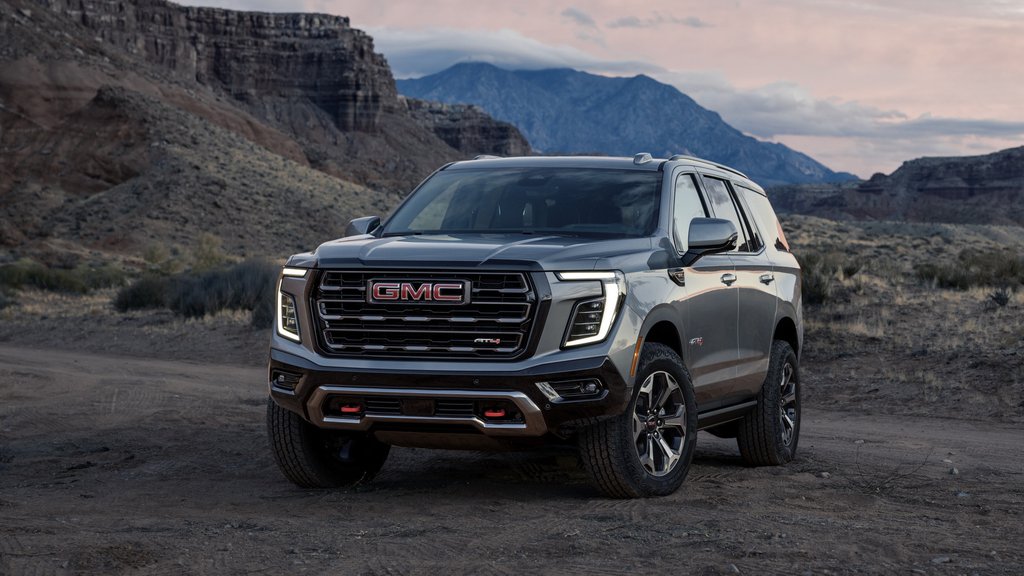
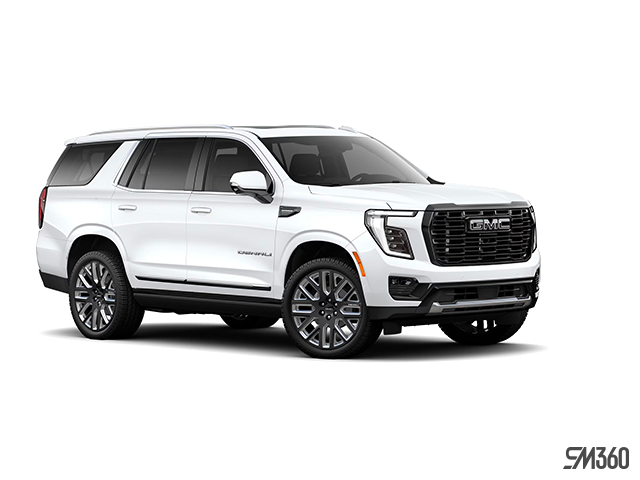
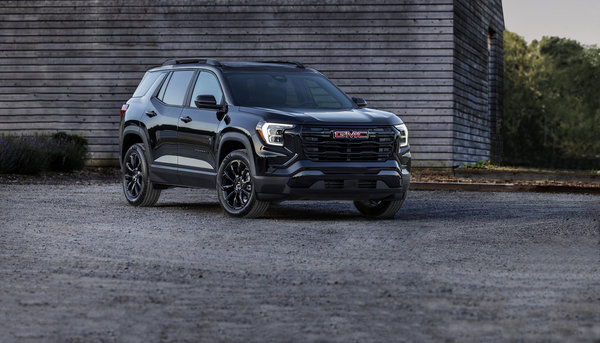
The 2026 GMC Yukon gives buyers three distinct engine choices, each with a different power profile, fuel economy figure, and driving character. For buyers across Nova Scotia and New Brunswick, where long highway runs, seasonal weather variation, and occasional trailer use are all part of regular driving, the engine decision carries real practical weight. Here is how the three options compare.
All three engines pair with a 10-speed automatic transmission and are available across multiple Yukon trims. Every configuration uses 4-wheel drive. The 3.0L Duramax Turbo-Diesel is available across all trims.
The Three Engines at a Glance
|
Engine
|
Horsepower
|
Torque
|
City
|
Highway
|
Combined
|
|
5.3L V8 4WD
|
355 hp
|
383 lb-ft
|
15.8 L/100 km
|
12.2 L/100 km
|
14.2 L/100 km
|
|
6.2L V8 4WD
|
420 hp
|
460 lb-ft
|
16.6 L/100 km
|
13.0 L/100 km
|
15.0 L/100 km
|
|
3.0L Duramax 4WD
|
305 hp
|
495 lb-ft
|
11.5 L/100 km
|
9.7 L/100 km
|
10.7 L/100 km
|
Fuel economy figures are NRCan EnerGuide estimates for 2026 model year 4WD configurations.
5.3L V8: The Standard Trim Engine
The 5.3L V8 produces 355 horsepower and 383 lb-ft of torque. It is the standard engine on the Elevation and AT4 trims and uses Dynamic Fuel Management, which deactivates cylinders under light load on consistent highway stretches.
City fuel economy is 15.8 L/100 km and highway is 12.2 L/100 km, for a combined rating of 14.2 L/100 km. For highway runs from Amherst toward Moncton, Truro, or Halifax, the V8’s fuel management earns its keep on steady-speed segments. The 5.3L handles everyday towing, boats, and smaller campers comfortably within its capability envelope.
Key facts: - Standard on Elevation and AT4 - Dynamic Fuel Management cylinder deactivation - Max conventional towing with Max Trailering Package: up to 8,400 lbs (3,810 kg) - Highway fuel economy: 12.2 L/100 km
6.2L V8: The Premium Power Option
The 6.2L V8 produces 420 horsepower and 460 lb-ft of torque. It is standard on the AT4 Ultimate, Denali, and Denali Ultimate trims and available on the AT4. Highway fuel economy is 13.0 L/100 km, combined is 15.0 L/100 km, slightly higher than the 5.3L due to the larger displacement.
The 6.2L earns its place when trailer confidence matters most. On Nova Scotia’s Cobequid Pass or a fully loaded run toward the Confederation Bridge, the extra 65 horsepower and 77 lb-ft of torque provide a cushion drivers notice when passing at highway speed or managing grades under load. The modest fuel consumption increase is the direct trade-off.
Key facts: - Standard on AT4 Ultimate, Denali, Denali Ultimate; available on AT4 - 65 more horsepower and 77 more lb-ft than the 5.3L V8 - Highway fuel economy: 13.0 L/100 km - Max conventional towing with Max Trailering Package: up to 8,400 lbs (3,810 km)
3.0L Duramax Turbo-Diesel: The Efficiency and Torque Leader
The 3.0L Duramax Turbo-Diesel produces 305 horsepower and 495 lb-ft of torque. The torque figure is the highest of the three engines and arrives at low rpm, which gives the diesel a relaxed pulling character at highway cruise. The engine works at lower throttle inputs to maintain speed under load, which reduces the audible and physical effort of a long tow.
The fuel economy advantage over both V8 options is substantial: 11.5 L/100 km city, 9.7 L/100 km highway, and 10.7 L/100 km combined on 4WD configurations. Against the 5.3L V8’s 14.2 L/100 km combined figure, the Duramax’s 10.7 L/100 km represents roughly a 25% reduction in fuel consumption per 100 km. On a high-annual-distance vehicle covering Maritime and interprovincial routes regularly, that difference adds up over a full year of ownership.
Diesel fuel is available at major stops along the Trans-Canada through Nova Scotia and New Brunswick. Buyers who travel primarily between population centres will find access straightforward. Rural loops off the main corridor require more planning.
Key facts: - Available on all Yukon trims - 495 lb-ft of torque at low rpm: highest of the three options - Highway fuel economy: 9.7 L/100 km - Combined fuel economy: 10.7 L/100 km - Best suited for consistent towing and high annual distance
Which Engine Fits Maritime Driving?
For buyers whose primary use is commuting, touring Maritime highways, and pulling a smaller trailer occasionally, the 5.3L V8 handles all of that with the lowest combined fuel consumption of the gas options.
For buyers who regularly pull heavier trailers, move frequently between provinces, or want the Denali or AT4 Ultimate specification, the 6.2L V8 provides the strongest case. It comes standard on those trims and the additional torque and power are available when load or terrain asks for them.
The 3.0L Duramax is the right call for buyers whose annual distance is high, whose towing use is consistent, and who are comfortable with diesel logistics on Maritime routes. At 9.7 L/100 km on the highway, it changes the operating economics of the Yukon at the distances typical of Atlantic Canada driving.
Talk to the Team at Tantramar Chevrolet Buick GMC
The sales team at Tantramar Chevrolet Buick GMC in Amherst can walk you through all three Yukon engine options and identify which powertrain and trim combination fits your driving patterns and budget. Stop in to compare the full lineup.